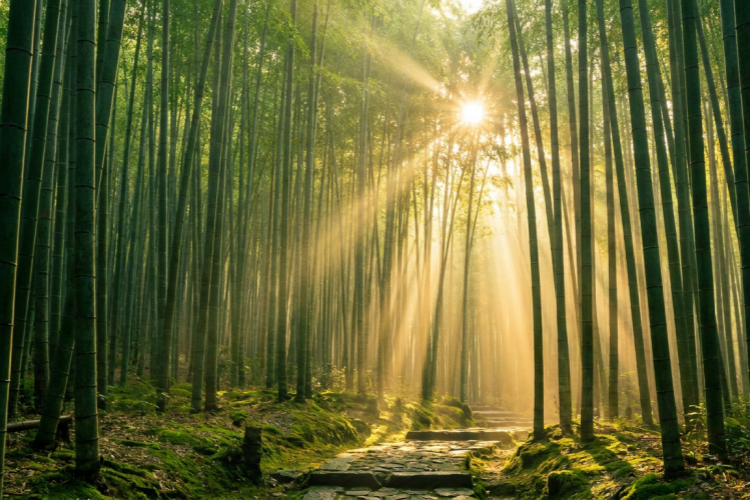
From Forest Floors to High-End Living Rooms
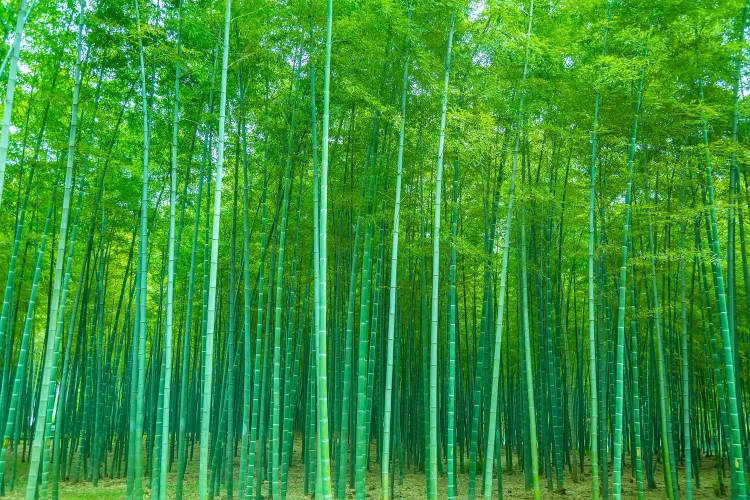
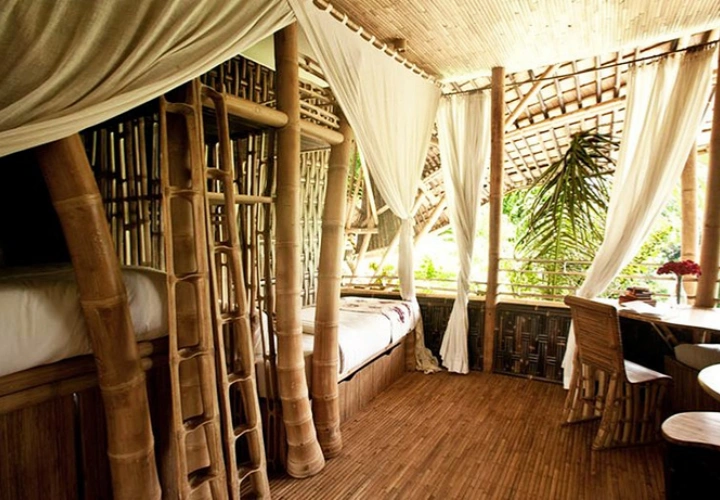
At the most recent Salone del Mobile and the Ambiente Fair in Frankfurt, one theme dominated the halls: Biophilic Design. Architects and interior designers are no longer looking at furniture as mere utility; they are viewing it as a bridge between the indoor environment and the natural world. Amidst this shift, bamboo—once considered a humble grass—has emerged as the undisputed “Green Gold” of the 21st century.
As the United Nations Environment Programme (UNEP) continues to advocate for the “Bamboo as a Substitute for Plastic and Wood” initiative, global middle-class consumers are voting with their wallets. They aren’t just buying a desk or a laundry sorter; they are investing in a sustainable future.
In this deep dive, we explore why bamboo is the fastest-growing trend in home decor, how it outperforms traditional hardwoods, and how you can integrate this eco-friendly powerhouse into your home.
I. The Sustainability Paradigm: Why Bamboo Wins
- The 3-Year Maturity Cycle
The most glaring issue with traditional timber is time. A mahogany or oak tree can take anywhere from 30 to 80 years to reach maturity. In contrast, bamboo is a grass that can be harvested in just 3 to 5 years. This makes it an incredibly renewable resource that doesn’t contribute to deforestation. - Carbon Sequestration Powerhouse
Bamboo is a natural carbon sink. Research shows that bamboo forests can sequester up to 35% more carbon dioxide than an equivalent stand of trees. For the eco-conscious consumer, choosing bamboo furniture is a direct way to lower the carbon footprint of their household. - Soil Health and Zero Waste
Unlike trees, bamboo has a complex underground root system (rhizomes) that prevents soil erosion. When bamboo is harvested, the roots remain, allowing the plant to regrow without replanting. Furthermore, every part of the plant—from the leaves to the hard culms—can be used, resulting in zero-waste production cycles.
II. The “Japandi” Aesthetic: Why Bamboo Fits Modern Homes
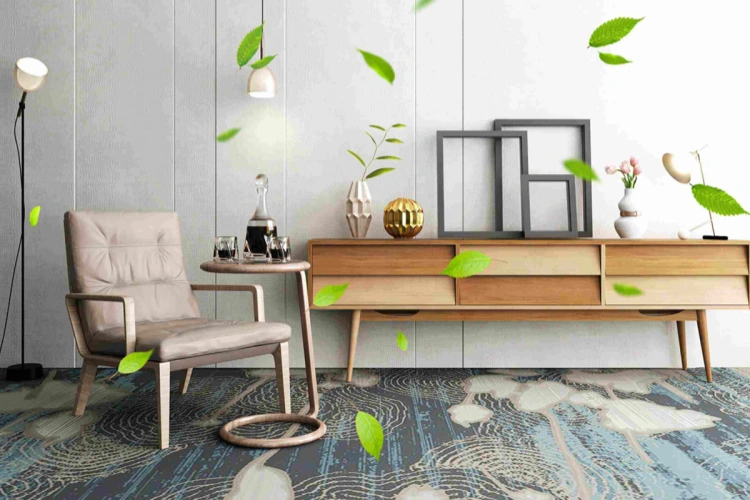
In the world of interior design, the Japandi style—a fusion of Japanese minimalism and Scandinavian functionality—has become the gold standard for 2024-2026. Bamboo is the soul of this movement.
Neutral Palettes: Bamboo’s natural light-blonde hue provides a neutral base that complements any color scheme, from moody forest greens to crisp whites.
Tactile Warmth: Unlike cold metal or synthetic plastic, bamboo has a “living” warmth. It feels soft to the touch and brings a sense of serenity to high-stress environments like home offices.
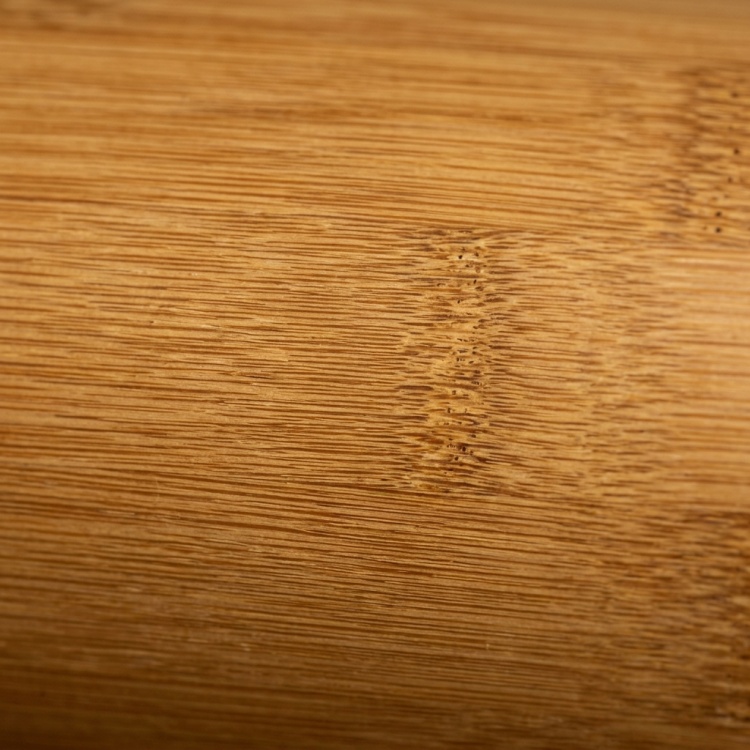
Linear Elegance: The straight-grain pattern of bamboo creates a sense of order and cleanliness, essential for modern minimalist living.
III. Beyond Beauty: The Engineering Marvel of Bamboo
One of the biggest misconceptions about bamboo is that it is “fragile.” In reality, modern engineering has transformed it into one of the strongest building materials available.
- Tensile Strength vs. Steel
Bamboo’s tensile strength is actually comparable to steel. When processed into Strand-Woven Bamboo or high-pressure laminated panels, it becomes harder than Red Oak and Maple. This makes it perfect for heavy-duty items like kitchen workstations and laundry organizers. - Natural Anti-Microbial Properties
Bamboo contains a unique bio-agent called “Bamboo Kun.” This natural substance is inherently anti-fungal and anti-bacterial. In a world increasingly concerned with hygiene, bamboo furniture in the kitchen and bathroom offers a cleaner, safer surface without the need for harsh chemical treatments. - Moisture Resistance
Because bamboo grows in tropical environments, it has a natural resistance to humidity. While traditional wood might warp or crack in a steamy bathroom, high-quality bamboo—especially when treated with eco-friendly water-based finishes—remains stable and durable.
IV. Room-by-Room: Implementing Bamboo into Your Life
- The Laundry Room: Revolutionizing Organization
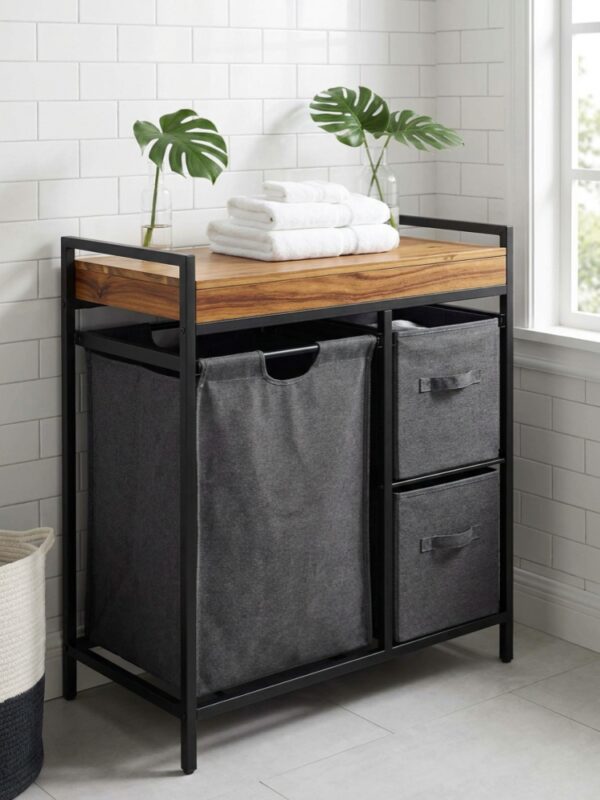
The laundry room is often the most cluttered space in the house. Our latest Multi-functional Bamboo Laundry Sorter is designed to solve this.
The Bamboo Top: It provides a sturdy surface for folding clothes or storing heavy detergent bottles.
The Sorting System: With dedicated bags for whites, darks, and delicates, it turns a chore into a streamlined process.
Visual Appeal: The combination of a black metal frame and warm bamboo accents turns a utility item into a piece of decor.
- The Kitchen: The Food-Safe Choice
Bamboo charcuterie boards and bread boxes have become icons of the modern kitchen. Because bamboo is non-porous, it doesn’t absorb odors or bacteria from food, making it the safest choice for food preparation and presentation. - The Nursery: Growing Up Green
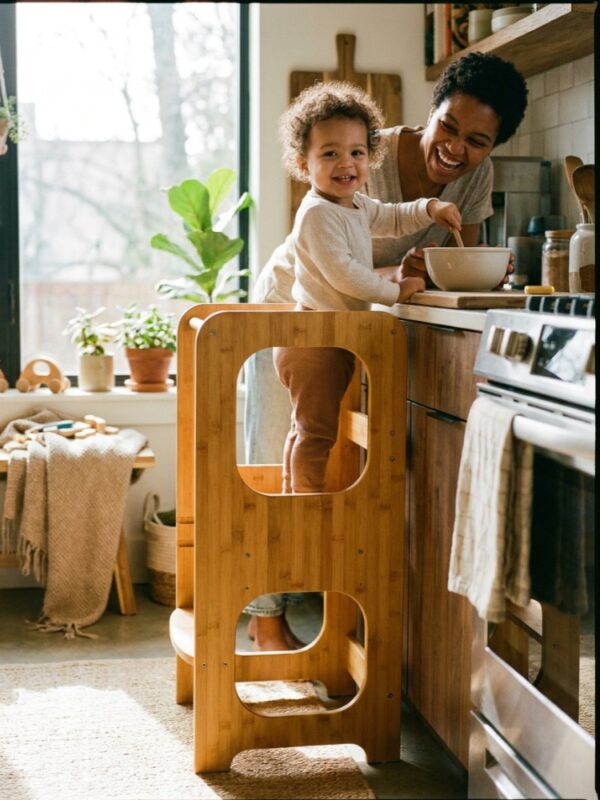
Parents are increasingly moving away from plastic and MDF (Medium-Density Fibreboard) for children’s rooms. Bamboo Learning Towers and bookshelves are not only safer due to their low VOC (Volatile Organic Compound) emissions, but they are also incredibly sturdy, surviving the wear and tear of childhood.
V. How to Choose Quality: What Every Buyer Should Know
As the demand for bamboo rises, so does the appearance of low-quality imitations. To ensure you are buying a product that will last a lifetime, look for these three markers:
- FSC Certification: The Forest Stewardship Council (FSC) ensures that the bamboo was harvested from a forest managed for social, economic, and environmental benefits.
- Surface Finish: High-end bamboo furniture should be sanded to a silk-smooth finish. Any rough edges or “splinters” are a sign of poor manufacturing.
- Hardware Integrity: Check the screws and hinges. A premium bamboo piece should use high-quality, rust-resistant hardware (like powder-coated steel) to match the lifespan of the bamboo itself.
VI. Maintenance: Caring for Your Bamboo
Bamboo is low-maintenance, but not “no-maintenance.” To keep your furniture looking brand new for decades:
- Avoid Direct Sunlight: Just like your skin, long-term exposure to intense UV rays can cause bamboo to dry out or fade.
- Moderate Cleaning: Use a damp microfiber cloth with a drop of mild dish soap. Avoid abrasive scrubbers that might scratch the finish.
- Humidity Balance: In extremely dry climates (like a heated home in winter), using a humidifier can prevent the bamboo from becoming brittle.
VII. Conclusion: A Choice for the Future
We live in an era of “fast furniture”—disposable items that end up in landfills within years. Choosing bamboo is a protest against this waste. It is a choice for quality, for design, and for the planet.
At Fujian Natural Bamboo Houseware Co., Ltd., we have spent 9 years perfecting the art of bamboo craftsmanship. From our FSC-certified forests to your front door, every piece we create is a testament to the power of nature.
The “Green Revolution” isn’t coming—it’s already here. Are you ready to bring the forest into your home?