Introduction: More Than Just a “Trend”
When you walk into a modern, high-end home in London, New York, or Berlin today, you’re likely to see a common thread: the warm, honey-toned glow of bamboo. But bamboo isn’t just a passing interior design trend or a “cheap alternative” to wood. It is a biological miracle and a testament to human engineering.
As we move toward a world where sustainability is no longer optional, bamboo has stepped into the spotlight. But how much do you actually know about the “grass” that’s holding up your bookshelf or hiding your laundry? In this ultimate guide, we’re going behind the scenes to explore the “Little Knowledge” (and big facts) that make bamboo furniture the smartest investment for your home and the planet.
1. The Biological Marvel: It’s Not a Tree!
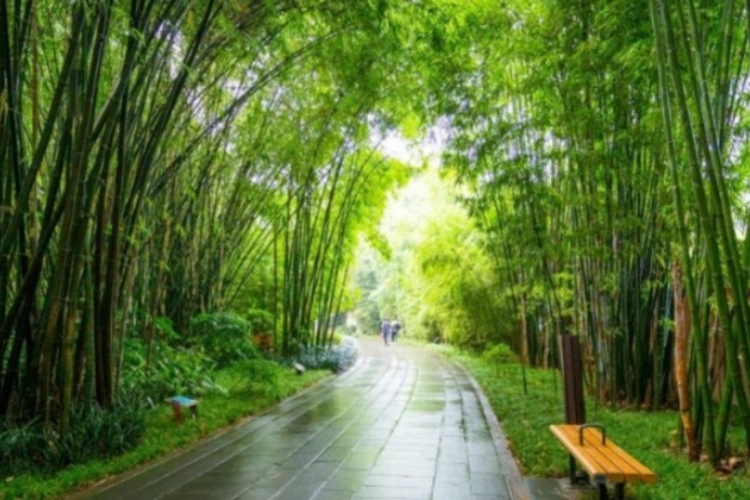
The first “Little Knowledge” fact that surprises most people is that bamboo is not a tree; it’s a grass. This botanical distinction is the secret to its sustainability.
- The World Record Holder: Certain species of bamboo can grow up to 35 inches in a single day. Imagine planting a seedling and watching it reach the height of a three-story building in just a few weeks.
- The Immortality of the Root: Unlike traditional timber, when you harvest bamboo, the plant doesn’t die. Its complex underground root system (rhizomes) stays intact, immediately sending up new shoots. It is a self-regenerating resource that requires zero replanting.
- No Chemicals Needed: Because bamboo grows so aggressively and has natural pest-resistant properties, it requires no pesticides or fertilizers to thrive. When you buy a bamboo laundry basket, you’re buying a product that started its life in a completely natural, chemical-free environment.
2. The Hardness Myth: Is Bamboo “Soft”?
Many consumers assume that because bamboo is a grass, it must be soft and prone to dents. The truth is exactly the opposite.
On the Janka Hardness Scale (the industry standard for measuring wood hardness), natural bamboo often scores higher than traditional “hardwoods” like Red Oak and Maple.
- Carbonized Bamboo: Through a heating process called carbonization (which gives the bamboo a darker, caramel color), the material becomes slightly softer but gains incredible dimensional stability.
- Strand-Woven Bamboo: This is the “superhero” of materials. By shredding bamboo fibers and compressing them under extreme heat and pressure, engineers create a material that is twice as hard as Oak, making it virtually indestructible for flooring and heavy-duty furniture.
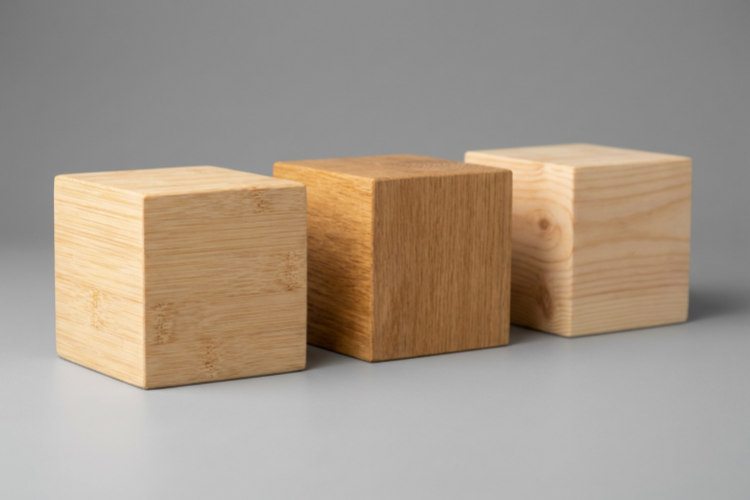
3. The Three “Grains” of Bamboo Furniture
When you’re browsing for a Rectangular Laundry Basket or a Bamboo Washing Basket, you’ll notice different patterns on the surface. Understanding these is key to choosing your style:
- Horizontal Grain: This shows the “knuckles” (nodes) of the bamboo stalk. it has a very organic, traditional look that screams “natural material.”
- Vertical Grain: The bamboo strips are turned on their side before being pressed. This creates a very fine, linear, and modern “pinstripe” look—perfect for minimalist or Scandinavian-inspired homes.
- End-Grain: This shows the cross-section of the bamboo. It’s often used for high-end Charcuterie Boards and butcher blocks because it is incredibly gentle on knife blades.
4. Why Bamboo is a “Health Hero” in the Home
For families with young children or those suffering from allergies, bamboo is a superior choice for several “Little Known” reasons:
- The “Bamboo Kun” Factor: Bamboo contains a natural bio-agent called “Bamboo Kun.” This substance is inherently anti-bacterial and anti-fungal. This is why bamboo is the gold standard for Kitchenware and Bathroom Hamper with Removable Bags—it naturally resists the growth of mold and bacteria in humid environments.
- Low VOCs: Traditional furniture made of MDF or particleboard often uses glues containing high levels of formaldehyde. Premium bamboo furniture, like those produced by Natural Bamboo Houseware, uses E1 or E0 grade adhesives, ensuring that the air in your home stays pure and toxin-free.
- Hypoallergenic: Bamboo doesn’t trap dust or pet dander as easily as many softwoods or plastics, making it a dream for asthma sufferers.
5. The “Water Resistance” Secret
A common question we get is: “Can I put bamboo in my bathroom?” The answer is a resounding YES.
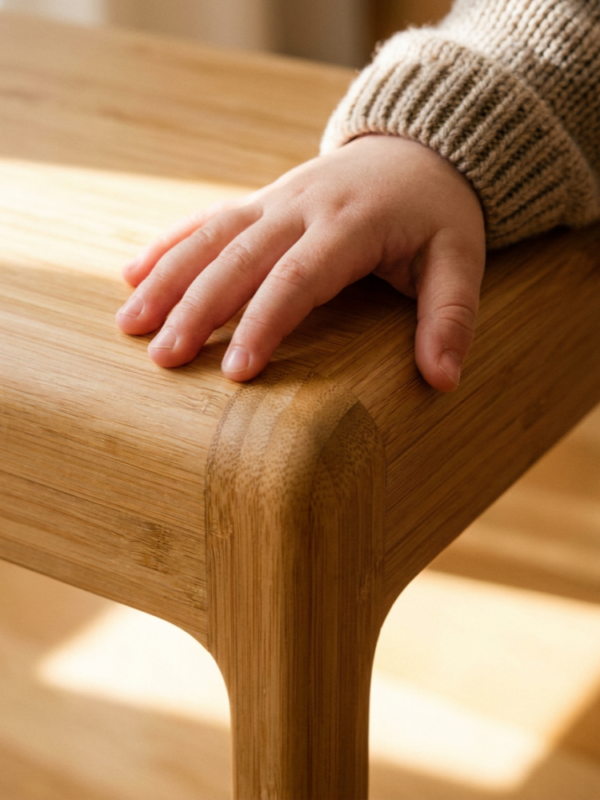
Bamboo is a tropical plant. It evolved to survive in high-humidity environments. This makes it naturally more resistant to warping and water damage than woods like Pine or Walnut. However, the “Little Knowledge” tip here is the Finish. At our factory in Fujian, we apply multiple layers of eco-friendly, water-resistant lacquer. This creates a barrier that allows your Pull Out Laundry Hamper to withstand the steam from your morning shower for years without losing its luster.
6. Environmental Impact: The “35% Oxygen” Rule
If you’re looking for a reason to feel good about your purchase, here it is: Bamboo releases 35% more oxygen into the atmosphere than an equivalent stand of hardwood trees. By supporting the bamboo industry, you are encouraging the expansion of bamboo forests, which act as massive “air filters” for our planet. Additionally, bamboo helps prevent soil erosion, protecting local ecosystems in mountainous regions like Fujian.

7. Myths vs. Reality: Busting Common Misconceptions
Myth 1: Bamboo furniture is “cheap.” Reality: While bamboo is affordable due to its fast growth, high-quality bamboo craftsmanship involves a complex process of splitting, boiling, drying, and pressing. It is a premium material that, when handled correctly, lasts as long—if not longer—than solid wood.
Myth 2: Bamboo furniture will rot if it gets wet. Reality: Only if it’s untreated. High-quality bamboo housewares are sealed with protective coatings. As long as you don’t leave it submerged in a pool, it is incredibly durable in kitchens and bathrooms.
Myth 3: All bamboo furniture looks “Asian.” Reality: While bamboo has deep roots in Asian culture, modern design trends like Japandi and Scandi-Minimalism have transformed it. Today’s bamboo furniture features matte finishes, sleek black metal accents, and contemporary silhouettes that fit any Western home.
8. How to Care for Your Bamboo (So It Lasts Forever)
To ensure your Rectangular Laundry Basket or Hamper with Removable Bag stays beautiful for decades, follow these simple “Pro Tips”:
- Dust Regularly: Use a soft microfiber cloth. Bamboo’s smooth surface makes it incredibly easy to clean.
- Avoid Harsh Chemicals: You don’t need bleach or abrasive cleaners. A drop of mild dish soap and warm water is all it takes.
- Feed the Wood: Once a year, you can rub a tiny amount of food-grade mineral oil into your bamboo furniture (especially kitchen items) to keep the fibers hydrated and glowing.
- Sun Protection: Just like your favorite painting, try to keep your bamboo furniture out of direct, intense afternoon sunlight to prevent the color from fading over many years.
Conclusion: Your Home, Your Legacy
Choosing furniture is about more than just aesthetics. It’s about the legacy we leave behind. When you choose a bamboo piece from Natural Bamboo Houseware, you aren’t just buying an organizer; you’re participating in a global movement toward a more circular, respectful economy.
Bamboo is strong, it is healthy, and it is breathtakingly beautiful. Now that you know the “Little Secrets” behind this incredible material, we invite you to experience it for yourself.
Ready to bring a touch of nature into your home?
Browse our 2026 Collection of Sustainable Bamboo Housewares >>